

Less power, an inverter alert or a blank app? Find out what needs attention. GT Power provides solar repair and maintenance across Contra Costa County and the Bay Area. Tell us what changed and which equipment you have. We review the service request, confirm what we can support and explain the next step.
A higher bill or lower production can have several causes. We review system history, alerts and site conditions before recommending a repair.
If your original installer is unavailable, you still have options. Send your equipment details so we can check the service scope and any available warranty route.
Roof work and weather damage can affect solar equipment or attachments. A review can help identify which roof and solar issues need further attention.
Replacing equipment before checking the fault can add cost without solving the problem. We start with the symptoms and the system details.
Service depends on the equipment, access and available parts. We confirm those limits before agreeing to repair work.
Useful maintenance starts with a record of how the system works. The checks depend on the fault and what the visit covers.

We compare past output with the change you have seen. Weather, shade and energy use can affect the app readings or your power bill.

Tell us the make and model of the panels, inverter and battery. A parts list or the first quote can help us check what the system needs.

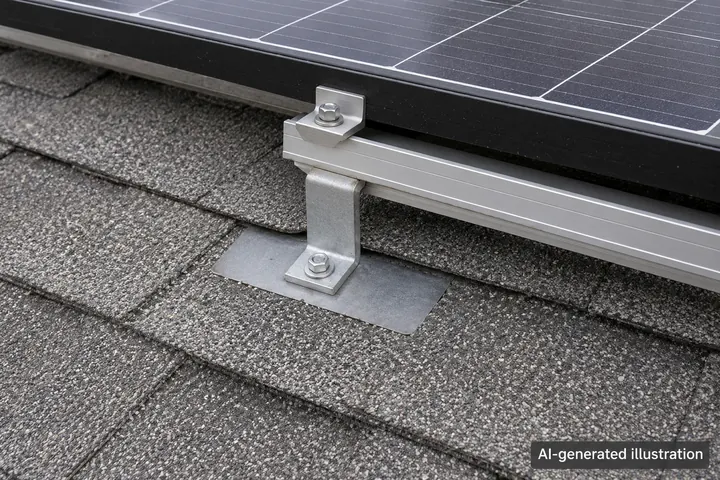
Visible damage, loose attachments or signs of water entry need careful review. Roof access and the condition of the mounting area affect the work.

The exact alert helps us find the fault. Share a screenshot and the date it appeared. Keep the alert on record until we have checked it.

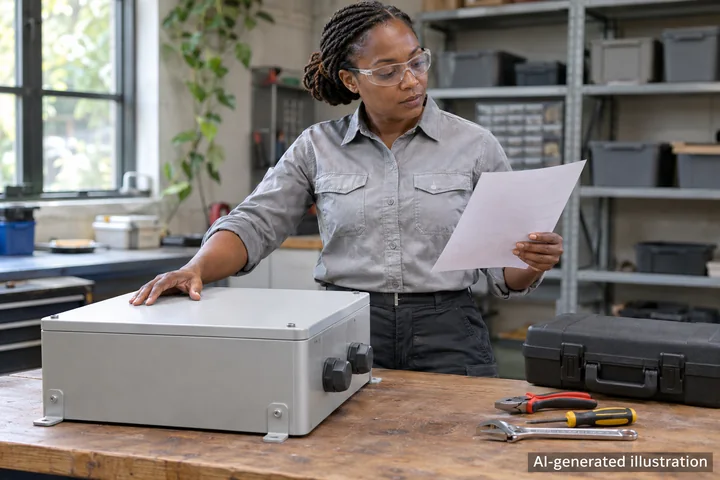
We may need to check wiring and connections that can be reached safely. The aim is to find the cause before choosing a part to replace.

Old install and repair records can help explain a fault that keeps coming back. We check the warranty terms to see which parts or work may be covered.
A fault does not automatically mean you need a new solar system. A repair may be enough when the cause is clear and matching parts can be found.
If replacement makes more sense, ask for the reason in writing. The recommendation should explain what the new work solves.
Send your address, equipment brand, error message and when the issue began. Share app screenshots or visible labels without opening electrical covers.
We check whether we can work on your system and explain what the first visit covers. Ask about fees and access needs before you book.
Review the fault, repair choices and price after testing. The next visit may depend on getting parts, a warranty claim or extra work found during the check.
Once you approve the work, we complete the agreed repair and test the system. Keep the service record and ask what output to watch after the visit.
Some service problems involve more than a panel or inverter. We identify which part of the property needs work before proposing a fix.
Water near a panel system does not prove a panel caused the leak. We can coordinate roof and solar review to help establish the source and required repair.
A new part must work with the rest of the system. Check how it will connect, report output and affect the warranty before choosing a different model.
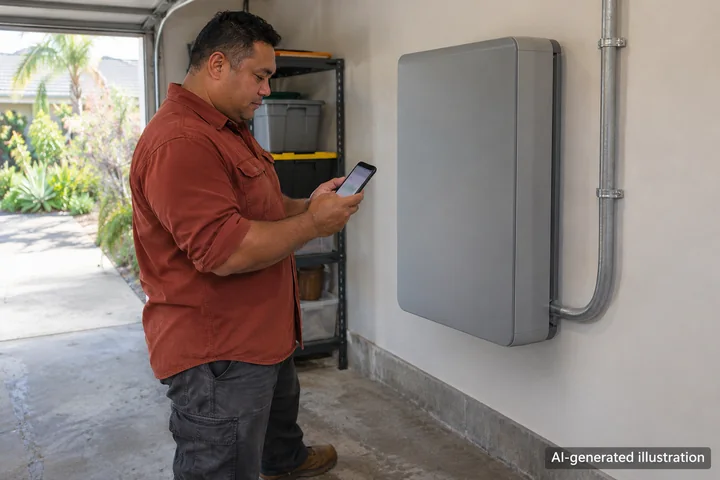
If storage is part of the problem, include the battery model and backup symptoms in your request. We check the supported service scope before making recommendations.
The right price depends on the cause, not just the symptom. A service quote should separate assessment, parts, labor and any follow-up work.
There may be a fee to find the fault even when parts are covered. Confirm the visit price, tests and limits before booking.
System location, roof height and safe access affect labor. Difficult access may need extra preparation or equipment.
A maker’s warranty may cover a part but not the cost to take it out, ship it or fit the new one. Check the terms before assuming the whole repair is free.
Some faults need replacement parts or more than one visit. The quote should explain expected return work and what is included after the repair.
You need a useful answer about the system you already own. Our service approach starts with the reported fault and a defined scope.

Know which fault was found and what the fix involves. That makes it easier to compare a repair with a bigger system change.

GT Power works with existing Tesla solar systems. We review the model, symptoms and available support before confirming the work we can take on.

Roof concerns do not have to sit outside the conversation. We can review related roofing needs alongside the solar service request.

Discuss monitoring, service records and any future checks based on the equipment and site. The aim is a useful maintenance plan rather than an automatic replacement pitch.
Send the manufacturer, model and error message shown in your app or on a visible label. GT Power reviews existing Tesla systems and other solar equipment. Service support and parts availability must be confirmed for the specific system.
These questions can help you decide what information to share and what to ask before booking.
If you don’t find the answers you’re looking for below, don’t worry, we’re always here to assist you. Please feel free to contact us at (800) 577-7124 or via our Contact Us page and we will do our best to help you most efficiently.
Check the monitoring app for alerts and note when production changed. Send the error message, equipment details and available output records to GT Power. Do not open electrical covers or attempt a roof inspection yourself.
Not always. A link to the app can fail while the system still makes power. Check actual output and the app connection before deciding what needs to be fixed.
Yes, you can request a service review. We first check the brand, system condition and parts we can get. Keep your old contract and warranty records. The product warranty may differ from the former installer’s cover.
The right schedule depends on the system, site and maker’s guidance. Watch output trends and book a check when power drops or alerts appear. An older system or a known fault may need more care.
Yes. EV charging can be planned alongside solar and battery storage so the added vehicle load is considered with household electricity use, solar production and backup goals. The right design depends on system size, driving habits, charging schedule and battery priorities.
A damaged panel may need replacement rather than an attempted surface repair. The choice depends on the damage, safety, warranty and whether a matching panel is available. Other system faults may be repairable without replacing panels.
Only if dirt or buildup is the cause. Shade, equipment faults and missing monitoring data can also explain a change. Review the problem before paying for cleaning, and follow equipment and roof access guidance.
You may get an early estimate from the fault details and system model, but testing can be needed to price the fix. Ask about the visit fee and whether parts, labor and a return trip are included.
Share your ZIP code, equipment brand and the problem you are seeing. Add an error screenshot or recent production record if available. We will review the request and outline the service options.