
Commercial Solar Installation

Solar for Business Properties

Commercial Solar Installation in the Bay Area

See how solar fits the way your business uses power. GT Power plans commercial solar installation across Contra Costa County and the Bay Area. We check power use, the roof and the site’s electrical needs. You get a quote with clear costs and the facts behind the savings estimate.

Service
Who We Help

Solar for Owners Landlords and Businesses

Businesses That Own Their Building

If you own the building and pay its electricity bill, review both together. We plan around operating hours, roof condition and your plans for the property.

Commercial Building Owners

Offices, warehouses and other business buildings have different loads and roof constraints. Start with the actual site rather than a standard panel package.

Landlords and Business Tenants

Ownership, lease terms and meter arrangements affect who can approve the project and benefit from it. Establish those details before spending on design.

compatibility
Commercial Project Scope

3. What a Commercial Solar Proposal Should Include

Commercial rooftop solar design starts with your building and power use. We show how the planned layout could reduce the power you buy, along with the cost and key assumptions.

  • A bill and usage review with rate-plan assumptions
  • Roof, structure and electrical connection requirements
  • Named panels, inverters and any storage equipment
  • Design, engineering and required permit steps
  • Utility review, inspections and permission to operate
  • Installation access, monitoring and handover responsibilities

Compare what is included in the installed price and what remains a separate building or utility cost.

Assessment
Commercial Site Review

Six Checks Before a Business Solar Design

A large roof is only part of the picture. These checks help show whether solar fits the building and the way you use it.

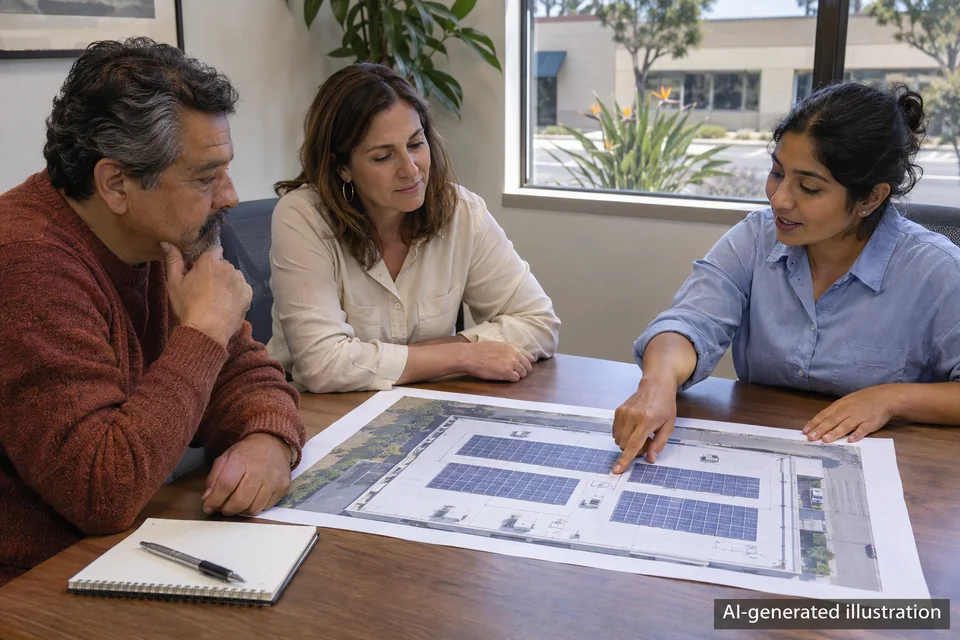
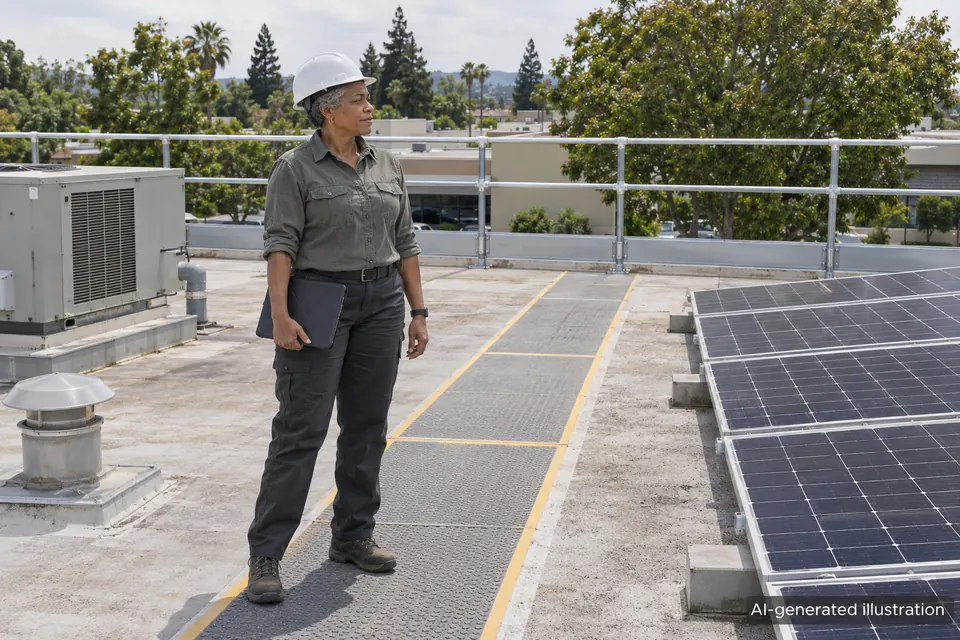
Business team reviewing a commercial rooftop solar design

When the Site Uses Power

Does the site use most of its power by day or at night? We check bills and usage records to see how solar could match that need.

Roof Space and Remaining Life

Roof space, shade and vents limit where panels can go. If the roof is due for replacement, deal with that before putting panels over it.

Property and Lease Authority

Confirm who owns the roof and who can approve the work. Check the lease, access rights and power account before choosing a system.

Utility Rates and Metering

Rates and bill charges affect what solar could save. We check how the account is billed and whether more than one meter or tenant is involved.

Structure and Electrical Capacity

We check how the panels would connect and what the building can support. Any extra electrical or structural work needs to be included in the budget.

Daily Business Access

Discuss deliveries, customer parking, roof access and any planned shutdowns. We account for those limits when planning the work.

Upgrade
Review the Business Case

Will Commercial Solar Pay Off for Your Property?

The answer depends on the cost, solar output and the power you no longer need to buy. Some rates also have a demand charge based on peak power use. Solar may not reduce that charge if the peak occurs when it is not producing enough.

  • How much solar the business can use as it is produced
  • Which energy rates and export credits apply to the account
  • Demand charges and fixed costs that may remain
  • Cash, financing or agreement costs over the term
  • Maintenance, insurance and future equipment expenses

Ask which rates, output and costs were used to estimate savings. Count an incentive in the budget only after you know the project qualifies.

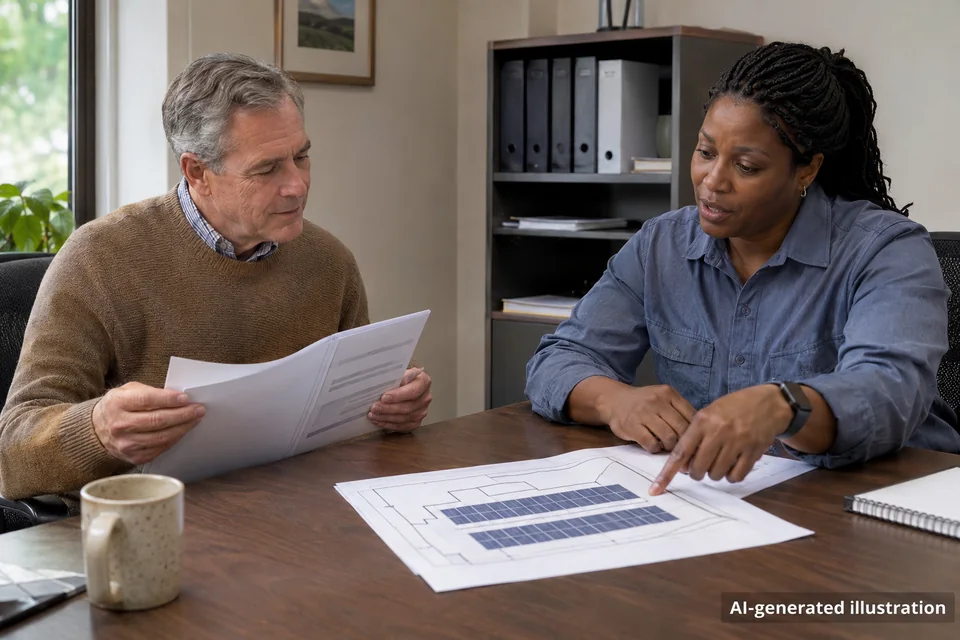
Business owner reviewing power bills for a solar decision
Process
How the Project Moves Forward

From Site Review to an Operating Commercial System

Review Usage and the Property

Share bills, the site address and ownership details. We discuss operating hours, roof plans and your goals before defining the assessment scope.

Confirm Design and Approvals

Review the layout, equipment, expected output and cost. We coordinate the design, permits and utility checks needed to confirm the work.

Plan and Complete Installation

Agree on access, work areas and any planned power cuts. We plan the work around the building’s daily use and explain the limits before work starts.

Complete Utility and Handover Steps

After the required checks, the utility must approve the system for use. We explain how to track output and provide the agreed equipment and service records.

integration
Storage Roofs and Electrical Work

Consider the Building Work That Changes the Solar Plan

Other building work can change the cost or schedule. Compare each added service on its own and ask why it is needed.

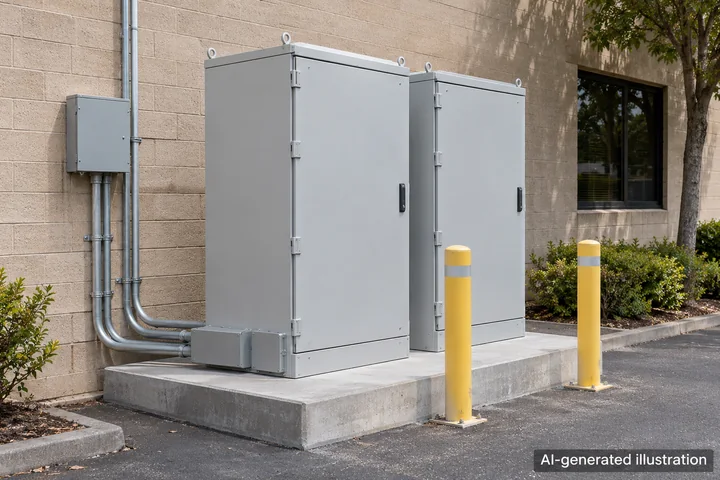
Battery storage cabinets beside a commercial building

Commercial Battery Storage

Do you need stored power for later use or backup for key loads? Define that need before choosing a battery and adding its cost to the project.

Roofing Before Solar

If the roof needs repair or replacement, account for that work early. A coordinated sequence can avoid installing panels over an unresolved roof problem.

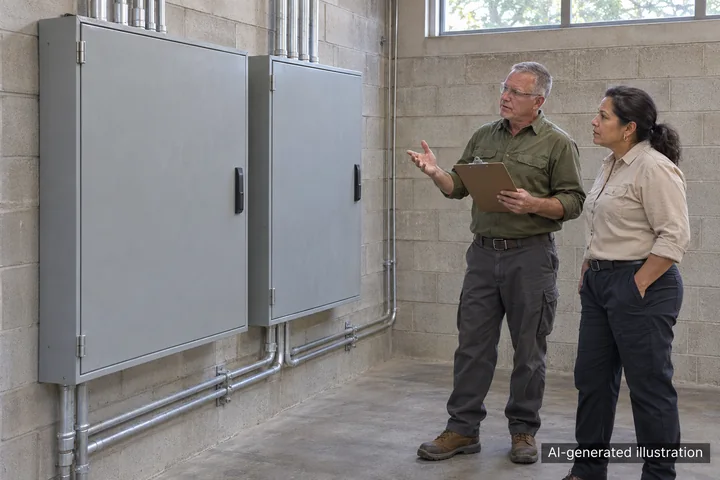
Facility manager reviewing closed commercial electrical equipment

Electrical and Charging Plans

Future equipment or EV charging can change site loads. Share those plans during the electrical review and request a separate scope for any charging installation.

integration

Do not assume every building needs storage, a new roof or a service upgrade. The assessment should establish the need.

Cost
Understand the Full Budget

What Affects Commercial Solar Installation Cost?

Commercial quotes need more detail than a panel count or headline savings figure. Compare the installed scope and any property costs outside it.

System Size and Layout

The number of panels, their layout and the inverter choice affect price. Extra panels only make sense if the site can use or earn enough from their power.

Electrical and Utility Requirements

New electrical gear, design work and utility changes can add cost and time. A site check helps find work that cannot be priced from bills alone.

Roof and Structural Work

Roof repairs, structural requirements and access affect construction costs. Confirm which building work is included and which will be priced separately.

Storage and Ongoing Costs

Batteries add equipment and installation costs. Compare maintenance, financing and agreement terms too, so the decision reflects more than the first payment.

Why GT
Why GT Power

Comparing Commercial Solar Companies Starts With the Scope

Choose a proposal you can check against the property, your bills and your business plans. GT Power brings solar and related construction needs into the project discussion.

A Plan Based on Your Site

Your work hours, power use and building guide the design. We explain why the proposed system size and equipment fit those needs.

Help With Each Project Stage

GT Power manages the agreed stages from site review and design to permits, installation, inspection and utility steps. Confirm what each stage includes in your proposal.

Related Construction Services

Roofing, electrical work and storage can be reviewed alongside solar. Keep each scope and cost clear so optional work does not get confused with project requirements.

Clear Commercial Decisions

Review equipment ownership, payment terms, warranty documents and service responsibilities before signing. Any savings forecast should identify its assumptions and exclusions.


Trust
Commercial Solar Technology

Equipment Chosen for the
Building and Its Loads

Your quote names the panels, inverters and any battery. GT Power’s options include Qcells, Enphase and Sol-Ark where they fit the design. We check that the selected parts work together and meet the site’s power needs.

Commercial Solar FAQs

Questions Before You Invest in Business Solar


Use these answers to prepare a useful request and compare commercial solar installation companies.

If you don’t find the answers you’re looking for below, don’t worry, we’re always here to assist you. Please feel free to contact us at (800) 577-7124 or via our Contact Us page and we will do our best to help you most efficiently.

Cost depends on system size, equipment, roof work and the electrical connection. Utility work and storage can add more. Ask for a quote that separates the solar price from building upgrades and lists what is excluded.

Sizing starts with power use, work hours, rates and usable space. The design must allow for how much solar the site can use and the value of power sent to the grid. Roof area alone does not set the right size.

Often, some work can be planned around normal operations, but access limits and electrical interruptions may still be needed. Discuss working hours, customer areas, deliveries and shutdown needs before agreeing to the schedule.


Yes, if the owner approves and the agreement works for the property. Check roof rights, lease length, meters and who pays for future work. Involve the owner before ordering a design or signing a contract.


Only after the required checks and utility approval, called permission to operate. Finishing the install is a different step. Utility studies, connection work and processing can affect the date, so ask which steps apply to your site.

Yes. EV charging can be planned alongside solar and battery storage so the added vehicle load is considered with household electricity use, solar production and backup goals. The right design depends on system size, driving habits, charging schedule and battery priorities.


Options depend on the project, provider and approval. With a power purchase agreement, you buy the system’s power rather than own the panels. Compare total payments, rate increases, upkeep duties and what happens when the term ends.


A business project may qualify under rules that differ from home solar. The owner, equipment and project dates can affect the claim. Have a tax adviser confirm the current rules before you count a credit in the budget.

A standard grid-connected solar system usually shuts down when the grid fails. Backup requires a system designed for the selected loads, with suitable equipment and controls. Define what must stay on before choosing storage or other backup equipment.

Request a Commercial Review

Put Your Property and Power Bills Into a Solar Plan

Share the site address, recent electric bills, operating hours and ownership or lease details. GT Power can review the project and outline the information needed for a clear commercial proposal.

Based in Concord, with commercial solar service across Contra Costa County and surrounding Bay Area communities.