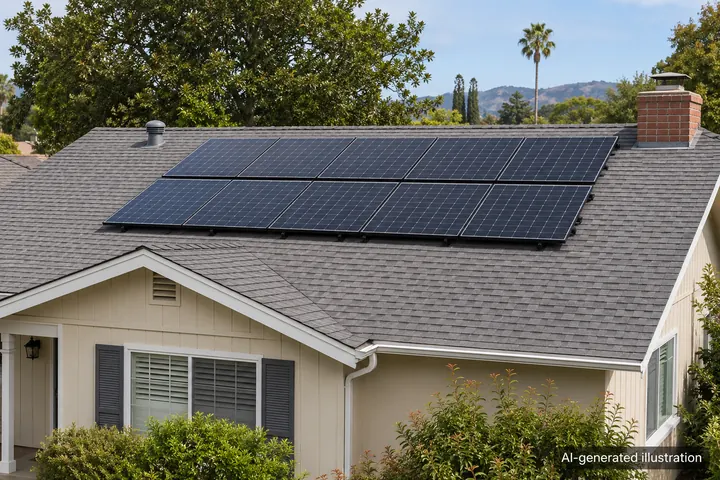

Know your roof is ready before the panels go on. GT Power coordinates roofing and solar for homes across Contra Costa County and the Bay Area. Whether you need a new roof before solar or roof work under an existing solar system, start with a plan for both parts of the job.
Check roof condition before choosing a panel layout. If repair or replacement is needed, plan that work first so the new panel system goes on a suitable surface.
Existing solar adds steps to a roof replacement. Plan to take panels down, protect them during the work, put them back and test the system.
The leak source needs to be established before a repair is chosen. Roof materials, drainage and solar attachment points may all need a closer look.
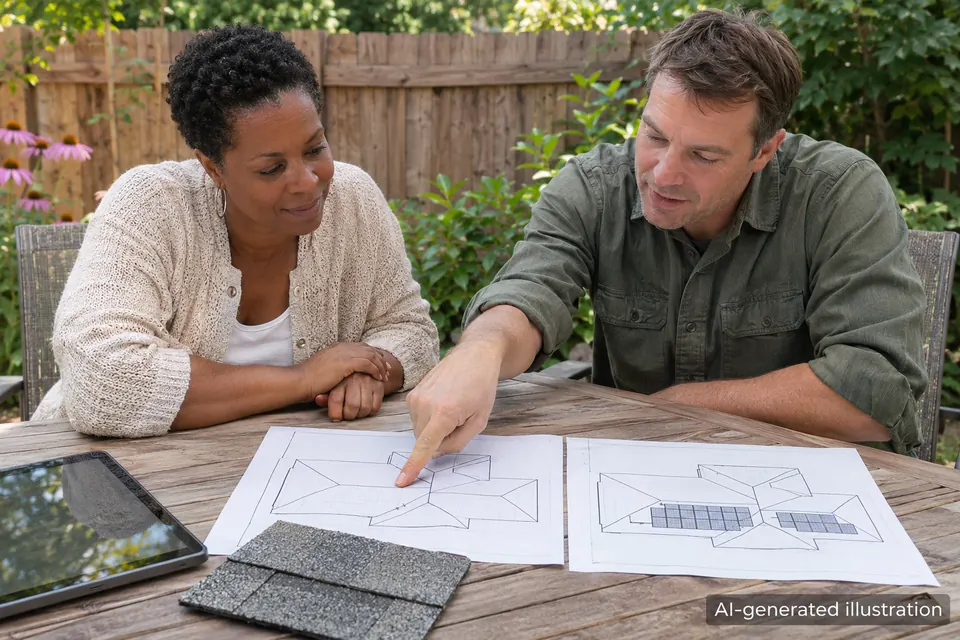
A combined project needs clear boundaries. Your proposal explains what happens to the roof, what happens to the equipment and who handles each task.
Keep the roofing price, solar work and optional upgrades visible as separate items in the quote.
The right sequence depends on the roof you have and the system already on it. These checks help avoid missed work between the two trades.

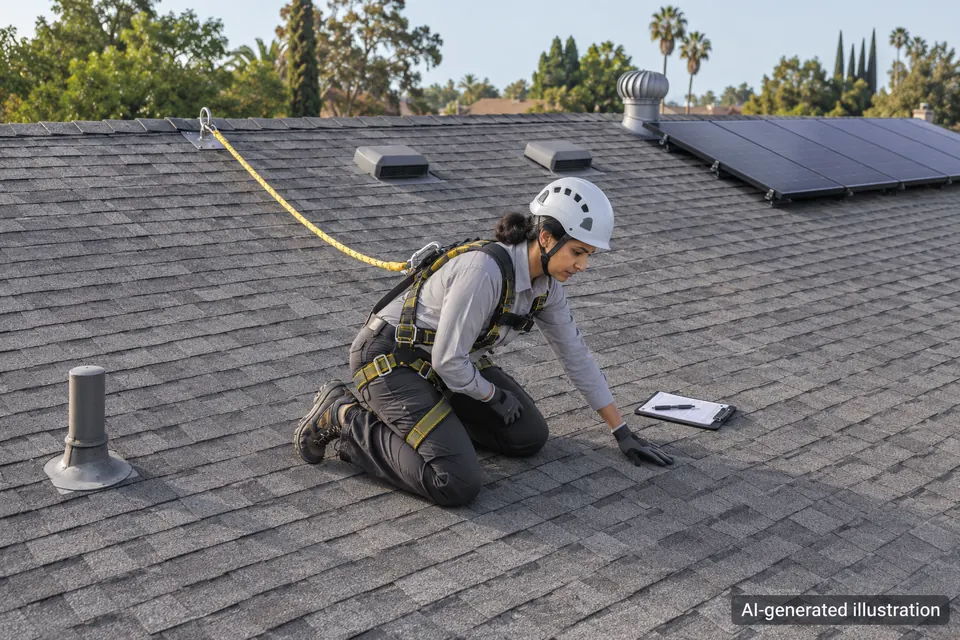
We check the roof type, wear and visible damage. We explain whether a repair may be enough or a new roof is worth the cost.

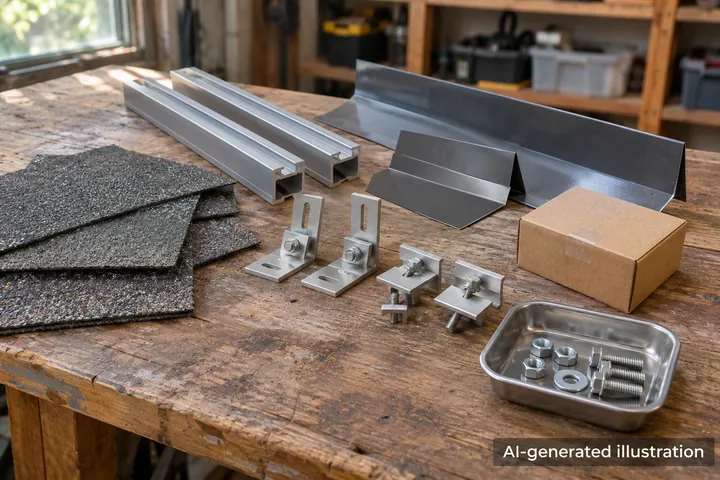
Mounts must suit the roof material. Your scope names the flashing and other work that keeps water out, with clear duties for each part.

We check the panel layout, system records and signs of wear. Parts can be reused only if they are in good enough shape and fit the plan.

The proposed roof and solar work must suit the supporting structure. Engineering review is included where the project and local approval requirements call for it.

We account for vents, drainage and required access in the layout. Roof changes can affect where existing panels can be put back.

Agree on access and how panels will be kept safe during the work. Know when the system will be off and how it will be checked at the end.
Not always. Roof age is one clue, but condition and expected remaining life matter too. A roof review should come before a replacement recommendation.
Ask why each item is needed. Solar installation alone is not a reason to replace a sound roof.
Share the roof age, known issues and any solar records. We assess the work area and discuss whether the project involves new panels or an existing system.
Review the roof and solar costs, how panels will be handled and who covers each warranty. Include permits, access needs and any changes to the system.
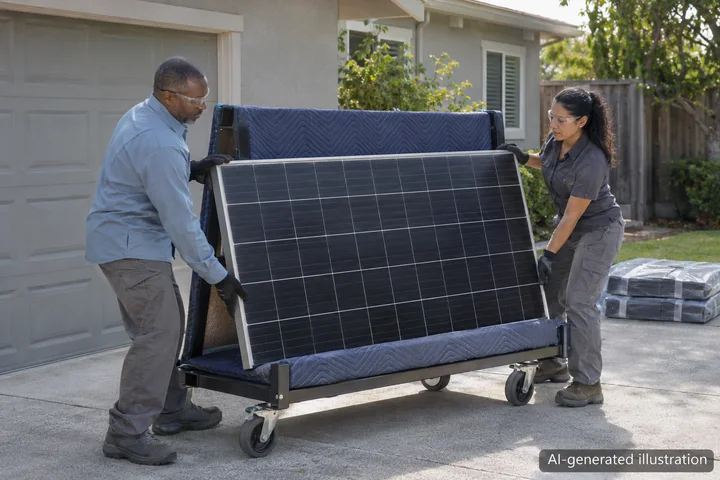
Where removal is required, the affected equipment is taken down before roofing starts. The agreed plan covers panel protection and the roof work needed before reinstallation.
The agreed panels are installed or put back on the finished roof. System checks, inspections and records should be completed as required by the project.
Roof replacement is a chance to check the system, but it does not mean every part needs to be replaced. Compare the options with what you already have.
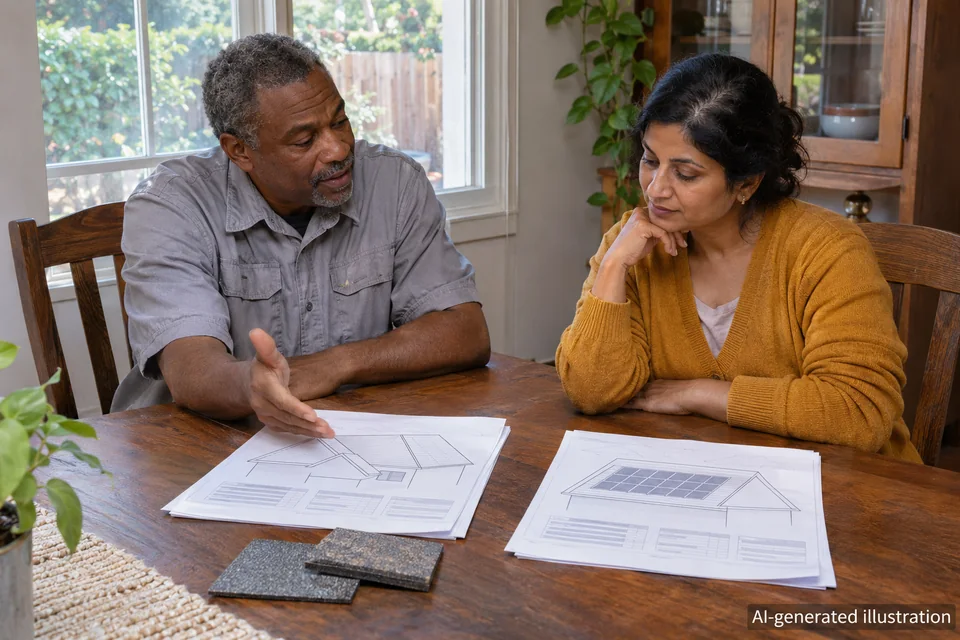
For a first installation, agree on the panel layout alongside the roof plan. That helps account for attachment locations, roof features and future access.
If the current system remains suitable, plan for careful removal and reinstallation. Check the equipment condition and mounting needs before assuming everything can be reused.
Damaged parts or a changed layout may need new components. Ask which items are necessary for the roof project and which are optional solar upgrades.
A quote should account for both trades and the work between them. A roofing price alone may leave out the cost of handling the panels.
Roof area, materials, underlying damage and the agreed repair scope affect cost. Hidden conditions may need a written change once exposed.
Pitch, height and access affect setup and labor. The quote should account for the property rather than assume a simple roof.
The number of panels, mounts and work to put them back affect this price. Ask whether panel protection and system tests are included.
A new layout, damaged components or added capacity can change the design and approval needs. Price these changes separately from the basic roof work.
Roofing and solar need a shared schedule and clear responsibilities. GT Power offers both services, so roof concerns and panel work can be discussed together.

Review roof work, panel handling and the return to service in one conversation. The written scope shows how the stages connect.

Roof materials, roof labor, solar parts and the install can have different warranties. Get the terms for each part and a contact for any future claim.

GT Power is licensed as a California General B contractor and is insured. Your proposal defines the roofing, solar and related construction work included.

Reuse suitable equipment where the assessment supports it. If a change is recommended, understand the condition or project requirement behind it.

We check the roof covering and mounting system together, including the flashing used to keep water out at attachment points. Your quote names the materials and identifies any solar parts being reused.
Get the roof, panel handling and warranty details settled before work begins.
If you don’t find the answers you’re looking for below, don’t worry, we’re always here to assist you. Please feel free to contact us at (800) 577-7124 or via our Contact Us page and we will do our best to help you most efficiently.
It can make sense when the roof is near replacement or needs major work. If the roof is sound, replacement may be unnecessary. Compare its condition and remaining life with the future cost of removing and reinstalling panels.
A qualified team generally needs to take panels off the area being replaced. Include safe handling, putting panels back and system tests in the scope. A partial roof job may affect only some panels.
Often, if the equipment is in suitable condition and compatible with the new mounting plan. Check the panels, wiring and mounts first. Damaged parts or a new layout can limit what goes back on the roof.
It depends on the roof warranty and how the work is done. Do not assume all coverage ends or all coverage remains. Check the manufacturer and installer terms, attachment details and responsibility for leaks before approving work.
Several roof types can support solar when their condition, structure and mounting system are suitable. There is no single best option for every home. Roof material, usable space and attachment details need to be reviewed together.
Only if the quote says so. Ask for a separate price to take panels off, keep them safe, put them back and test them. Check whether it covers new mounts, permits or solar repairs too.
The downtime depends on the roofing schedule, equipment handling, inspections and any changes to the panels. Ask for a project sequence and expected milestones. A firm estimate needs the roof and solar scope to be confirmed.
Do not treat ordinary roof replacement as eligible solar equipment. Roofing and solar costs need separate review, and current tax rules may differ from older offers. Have a tax adviser check your project before counting any credit in the budget.
Tell us whether you are adding solar, replacing a roof or fixing a leak near an existing solar system. Share the roof age and system details for a clearer starting point.