
Solar Panel Removal and Reinstallation in Concord
A new roof, a leak repair, or an electrical upgrade can all run into the same problem: your solar panels are in the way. They cannot stay put while crews work underneath them, and they should not come off without a plan.
That is where solar panel removal and reinstallation comes in. This guide explains what the process involves, when you need it, and what to ask before work starts. It comes from Solar GT Power, a Concord-based team that handles both solar and roofing for homeowners across Contra Costa County and the Bay Area.
Already have a roof project on the calendar? Call (800) 577-7124 and tell us the date. We will help plan the solar side.
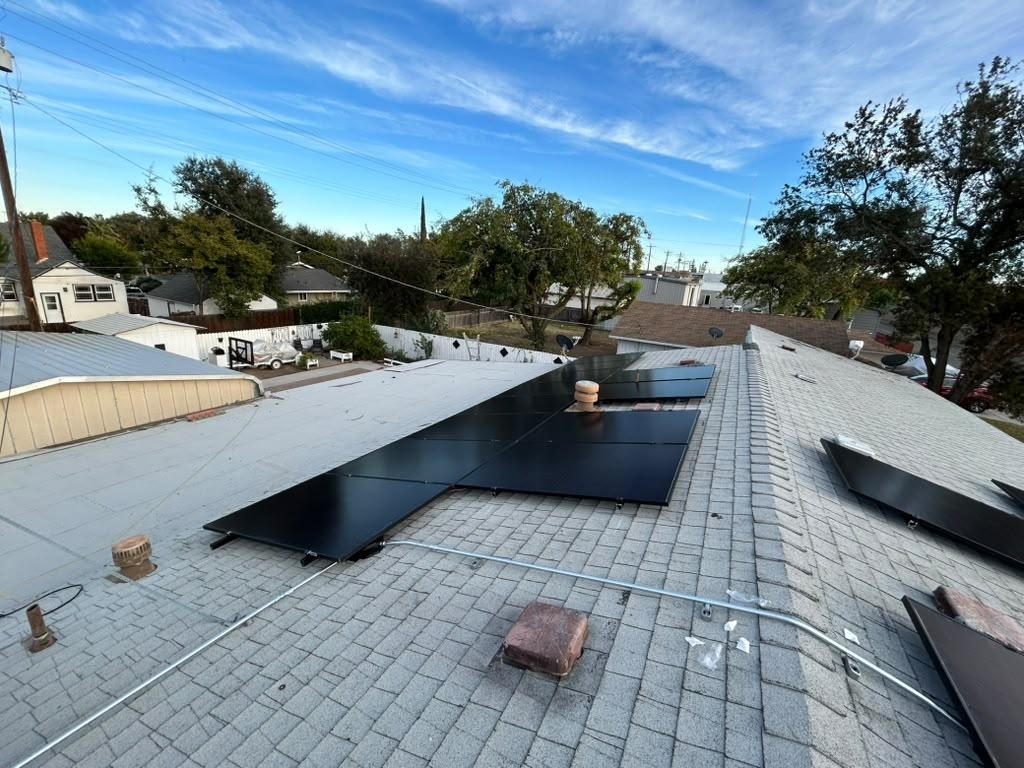
A residential rooftop solar array in Contra Costa County.
What Is Solar Panel Removal and Reinstallation?
Solar panel removal and reinstallation means safely disconnecting a working solar array, taking it off the roof, and putting it back once roof or electrical work is finished. Installers also call it detach and reset, or D&R.
It is not the same as decommissioning a system. The goal is to protect your equipment, restore the original layout, and confirm that your system is producing power again.
A proper job covers far more than lifting panels. It includes shutting the system down, documenting how it is wired, protecting panels while they are off the roof, resealing every roof penetration, reconnecting the wiring, and testing output before the crew leaves.
When Do Homeowners Need to Remove and Reinstall Solar Panels?
Most requests start with a roof project. These are the most common reasons to remove and reinstall solar panels:
Roof replacement or reroofing
Panels are bolted to rails and mounts that pass through your roofing. To replace shingles, underlayment, or decking under the array, the panels have to come off first. Our Roofing & Solar team plans the roof and the array as one project, so nothing is left for you to coordinate.
Roof repairs and leaks
A leak near the array or worn flashing under the panels cannot be fixed properly with the panels in place. Removing a few panels, or the whole array, gives crews safe access to find and repair the source. If you suspect a leak or a fault, our solar panel repair guide is a good place to start.
Electrical and structural work
Service panel upgrades, attic work, and structural repairs can change where wiring runs or how the roof is supported. In some cases the array must be moved or reconfigured temporarily.
Other roof projects
Skylight installs, chimney work, flat-roof sections, rooftop HVAC equipment, and storm damage can also call for solar panel removal for roof repair.
Why Solar Panels Should Not Be Removed Without a Qualified Team
It can look simple: unbolt the panels, lift them, and set them aside. In practice, several risks make this a job for trained professionals:
- Live electricity. Panels produce DC power whenever light reaches them, even with the main breaker off. Switching off the house does not make rooftop wiring safe.
- Fall risk. Panels are large and often weigh 40 pounds or more. Carrying them across a pitched roof is hazardous.
- Hidden damage. Rough handling can cause micro-cracks in solar cells. You may not see them, but they can reduce output later.
- Warranty and code problems. Incorrect disconnects or grounding can create hazards and complicate warranty claims.
- Roof leaks. Every mount is a roof penetration that must be flashed and sealed correctly.
California requires licensed contractors for this work. You can check any contractor’s license through the CSLB Solar Smart page.
How Solar Panel Removal and Reinstallation Works, Step by Step
Every home is different, but a well-run project follows these stages.
Step 1: Site visit and system review
We look at your array layout, panel and inverter type, roof material, wiring route, and monitoring setup. We also confirm the roof work scope, so removal and reinstallation line up with the roofing schedule.
Step 2: Record the system before anything moves
We photograph the array, note panel positions and wiring, and capture production data from your monitoring app. That baseline lets us compare results after reinstallation.
Step 3: Shut down and isolate the system
Qualified technicians shut the system down at the AC disconnect and inverter, then follow the manufacturer’s procedure for your equipment. Because panels produce voltage in daylight, the array is treated as live until it is properly isolated.
Step 4: Remove panels, wiring, and racking
Panels are disconnected, lifted off carefully, and labeled by position. They are stored flat or on edge in a protected spot, away from foot traffic and impact. Rails, mounts, and conduit come off only as far as the roof work needs.
Step 5: Complete the roof work
Roofers repair or replace the roof surface. When one team handles both roof and solar, the handoff is smoother and responsibility for flashing and sealing is clear.
Step 6: Reinstall mounts and panels
New flashing and sealant go in at every mount location. Rails and mounts return to the original layout, or an updated one if the roof changed. Panels are then secured and rewired.
Step 7: Reconnect, test, and commission
Technicians check grounding and electrical connections, restart the inverter, and confirm every panel or microinverter is reporting. Production is compared with the baseline captured before the job.
Step 8: Inspection and handoff
Where your city requires it, permits and inspection are coordinated. You receive a clear summary of the work and what to watch in your monitoring app over the following weeks.
How Long Will Your Panels Be Off the Roof?
Timing depends on array size, roof type, and the scope of roof work. A small array and a short repair may take a couple of days, while a full reroof on a larger system takes longer. The roofing schedule usually sets the pace, and removal and reinstallation are planned around it.
Your home stays connected to the grid during this time, so lights and appliances keep working. You simply will not produce solar power. If you have a battery, ask your installer how it will behave while the panels are off.
Weather matters too. Concord’s rainy season runs from late fall into spring, so ask how the roof will be protected if rain is forecast.
How to Prepare Before Removal Day
A little preparation keeps the project on schedule:
- Take a screenshot of your monitoring app showing recent production and any alerts.
- Gather your original installation agreement, equipment model numbers, and warranty papers.
- Confirm the roofing dates, or share them with us so we can plan around them.
- Tell us about any battery, EV charger, or other equipment tied into your system.
- Keep driveway space and clear access to your electrical panel and meter.
Warranties, Permits, and Paperwork to Settle First
Before work begins, ask these questions and request the answers in writing:
- Who is responsible for the panels while they are off the roof, including storage and handling?
- Who warrants the new roofing work and the resealed mounting points?
- Will your panel, inverter, and installer warranties stay in place?
- Does your city or county require a permit or inspection, and who files it?
- Does your utility need to know about the shutdown?
Requirements vary by city and equipment. Keep your original installation paperwork handy, since it speeds up every step. GT Power helps homeowners sort these items out as part of the project.
Roof and Equipment Details That Affect the Job
Asphalt shingle roofs are common across Contra Costa County and need careful flashing at every mount. Tile roofs call for specialist handling because tiles crack easily. Flat or low-slope sections need extra attention to sealing details.
Equipment matters too. Microinverter systems reconnect panel by panel, so each unit can be verified. String inverter systems need voltage checks before restart. If your home also has an Enphase battery or a Tesla Powerwall, mention it up front so the restart sequence covers storage.
Why Choose GT Power for Solar Panel Removal and Reinstallation in Concord
GT Power is based at 1320 Willow Pass Road in Concord. Here is what homeowners can expect when they call us:
- One team for roof and solar. Our Roofing & Solar service keeps both jobs under one plan and one point of contact.
- Local know-how. As a solar company in Concord, CA, we understand local permitting and utility requirements.
- Trusted equipment partners. We work with Tesla, Enphase, LG Energy Solution, FranklinWH, Lunar Energy, and Q.Cells equipment.
- A reputation to protect. GT Power is a BBB accredited business and a Best of Concord award recipient.
- Clear communication. We keep you informed from the first consultation through final testing.
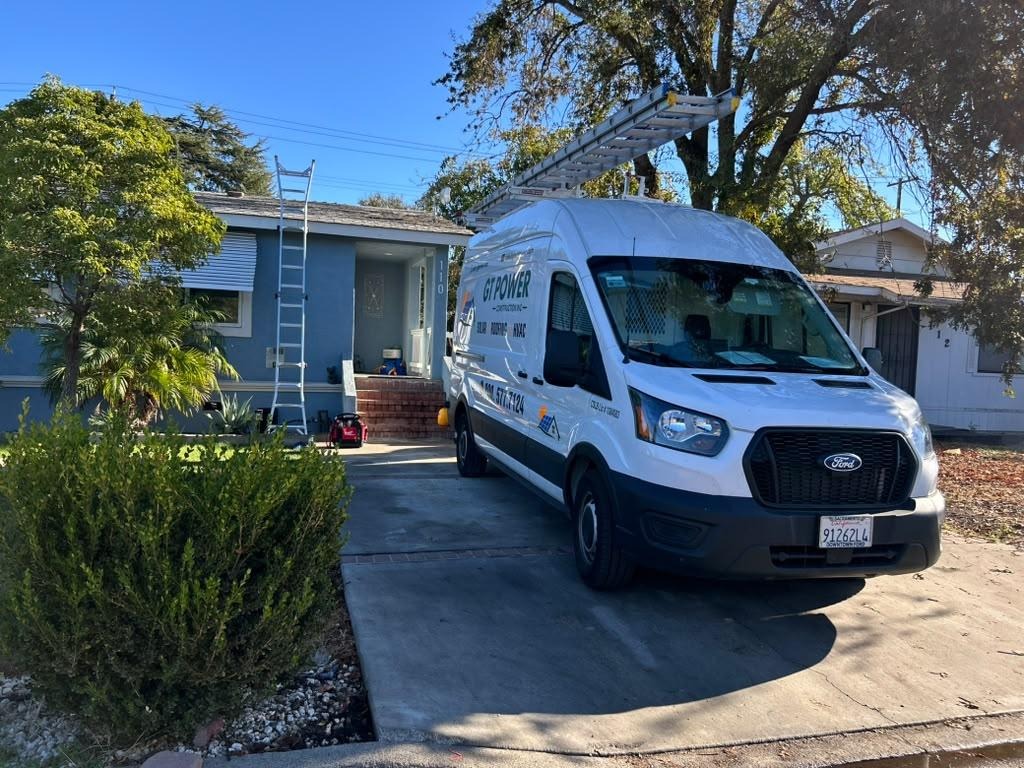
The GT Power team arrives equipped for rooftop solar and roofing work in Concord.
Solar Panel Removal and Reinstallation Across Contra Costa County
Concord is our home base, and our crews also serve nearby communities. Start with our Concord solar page, or choose your city:
- Pleasant Hill, CA: next door to our Concord office
- Martinez, CA: just north of Concord
- Pittsburg, CA: east of Concord on Highway 4
- Lafayette, CA: southwest of Concord
- Antioch, CA: farther east along Highway 4
- San Ramon, CA: south of Concord along I-680
- Danville, CA: also along the I-680 corridor
- Oakley, CA: in East Contra Costa County
Not sure whether your address is covered? Call (800) 577-7124 and we will confirm.
More GT Power Services for Your Home or Business
Panels coming off is a good time to look at the rest of your system. Explore these services:
- Residential Solar Installation: systems designed around your roof, electricity use, and goals.
- Commercial Solar Installation: solar for businesses and commercial properties.
- Solar Repair & Maintenance: diagnostics for inverter, wiring, and production problems.
- Roofing & Solar: roof repair or replacement coordinated with your array.
- Home EV Charger Installation: home charging for Concord and the Bay Area.
- Home Solar Battery Backup: keeps selected circuits running during outages.
Weighing solar plus storage? Read our guide to the benefits of solar and battery storage for Bay Area homes.
Solar Panel Removal and Reinstallation FAQs
Can solar panels be removed and reinstalled?
Yes. Qualified technicians can remove panels, rails, and wiring, then reinstall them after roof or electrical work. The system should be tested before it returns to normal use.
Will removing panels damage them?
Not when handled correctly. Damage usually comes from rough lifting, stacking, or storage, which is why trained crews and a post-job production check matter.
Can I reuse my existing panels after a roof replacement?
In most cases, yes. The original panels, rails, and wiring go back on once they pass inspection. Anything damaged or worn is flagged before reinstallation, so you can decide on next steps.
Will my warranties stay valid?
That depends on your warranty terms and who does the work. Review your documents and ask your installer to confirm coverage in writing.
Do I need a permit?
Often, yes, but requirements vary by city and county. GT Power can tell you what applies at your address.
Do I lose power while the panels are off?
No. Your home stays connected to the grid. You only lose solar production until the system is reinstalled and restarted.
Who should I call first, my roofer or my solar company?
Ideally one team that does both. GT Power coordinates roofing and solar so the schedules match and nothing falls between two contractors.
Schedule Solar Panel Removal and Reinstallation in Concord
If a roof project is coming, or you are unsure whether your panels need to come off, talk to Solar GT Power first. Share your address, roof plans, and equipment details such as inverter or battery brand, and we will explain the next steps.
Call (800) 577-7124 or contact our team. Prefer to start online? Request a consultation.
Visit us at 1320 Willow Pass Road, Concord, CA 94520. Hours are Monday to Saturday, 9am to 6pm.
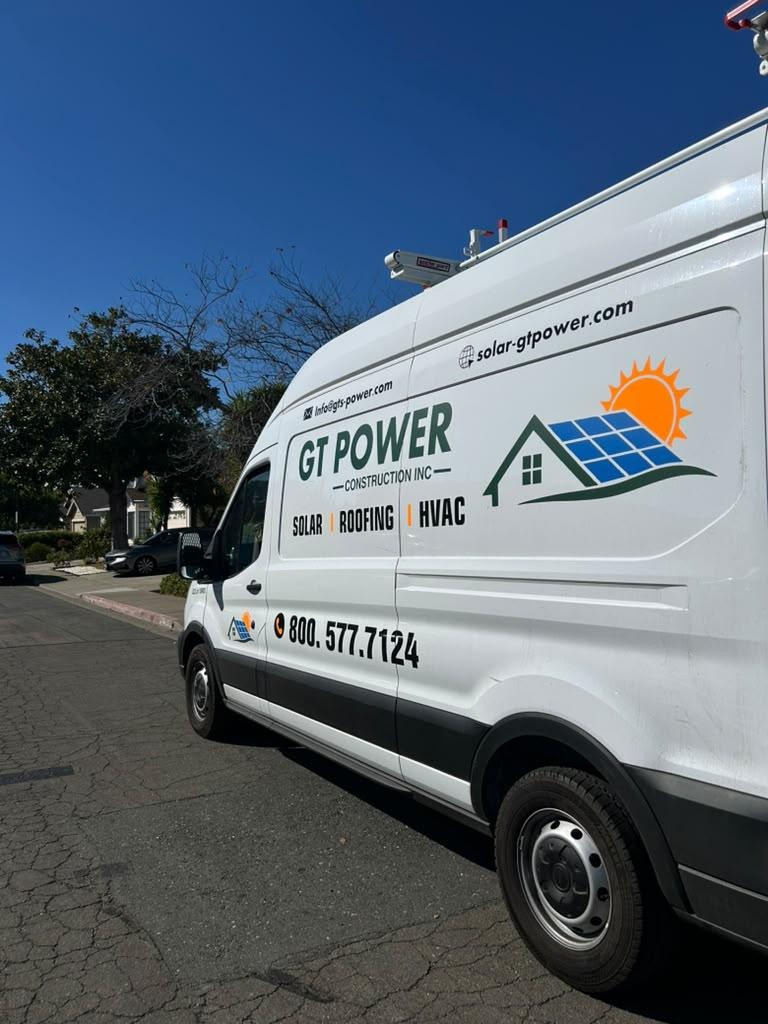
GT Power serves Concord and nearby Contra Costa County communities.