
See what solar could change on your electric bill. GT Power provides residential solar installation across Contra Costa County and the Bay Area. We check your roof, electricity use and utility plan, then show you the equipment, cost and permit steps in a clear proposal.
Find out how much of your electricity use solar could cover. We start with your bills and roof space so you can judge the likely value before buying.
A new car, heat pump or other electric appliance can change your energy needs. Include planned upgrades when deciding how much solar your home may need.
Compare solar alone with solar and storage. See how each option fits your budget, evening electricity use and the devices you want to keep running.
A useful quote explains more than the panel count. Our solar panel installation services bring the roof, equipment and approval steps into the same plan.
Check the exclusions too. Roof repairs, electrical upgrades and utility work should be identified before you commit.
Your home sets the limits for the design. We check these details before choosing the parts and system size.

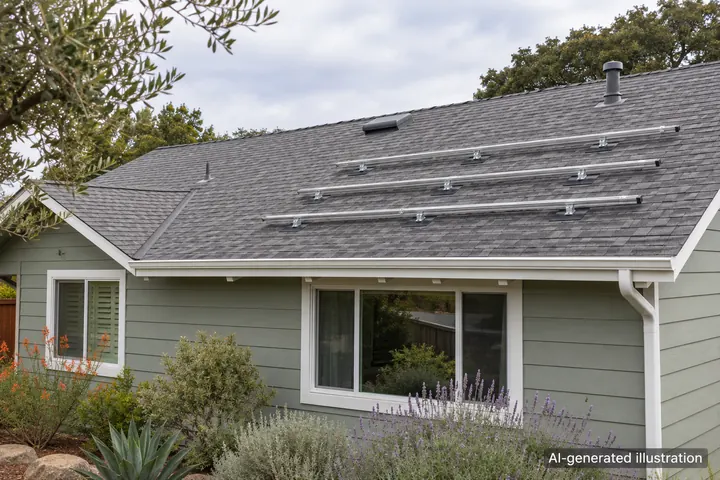
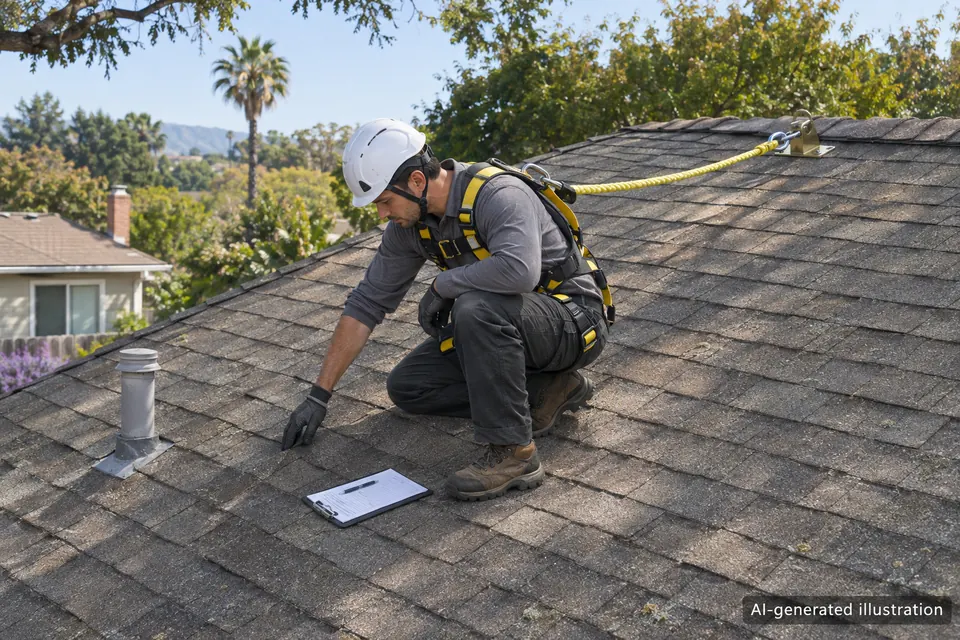
We review the roof surface and signs of wear. If repairs or replacement make sense first, those needs belong in the plan before panels go up.

Trees, nearby buildings and roof direction affect output. We estimate output for your roof, with its actual sun and shade.

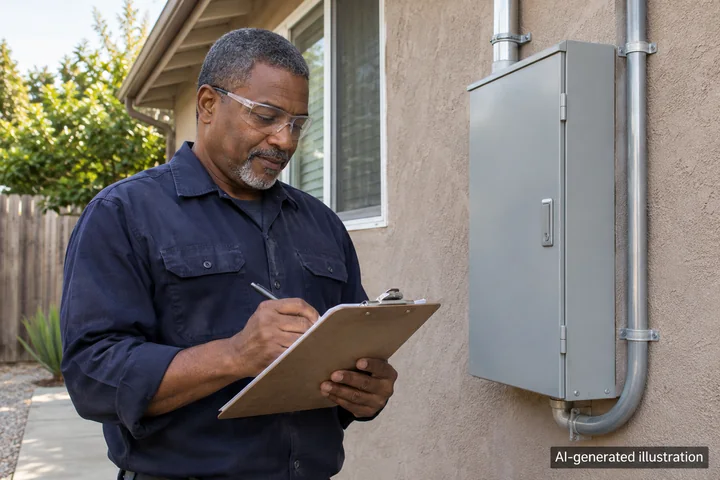
We check the electrical panel and where solar would connect. If extra work is needed, we explain the job, price and approval steps.

Roof shape, vents and access rules affect where panels can fit. We use the space while leaving room for future work.

Recent bills show how much power you use across the year. That tells us more than the size of your house alone.

Tell us about planned EV charging, heating or room additions. We can consider those changes without assuming every possible upgrade will happen.
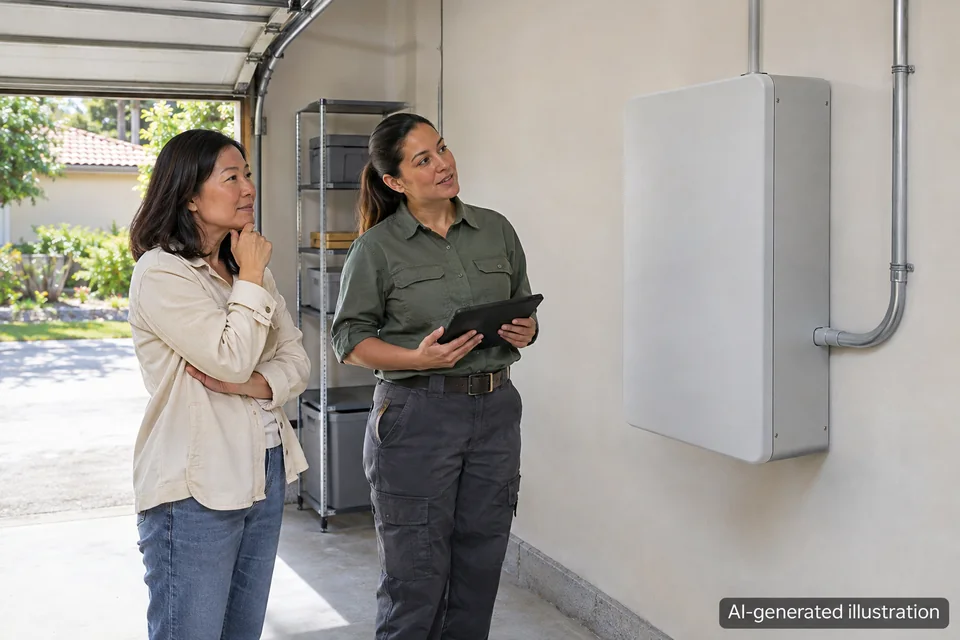
A battery is not required for every home solar system. It can store some daytime energy for later use, and a suitable backup design can support selected loads during an outage.
Standard grid-connected solar usually shuts off during a grid outage. Backup needs compatible equipment and a design for the loads you want to power.
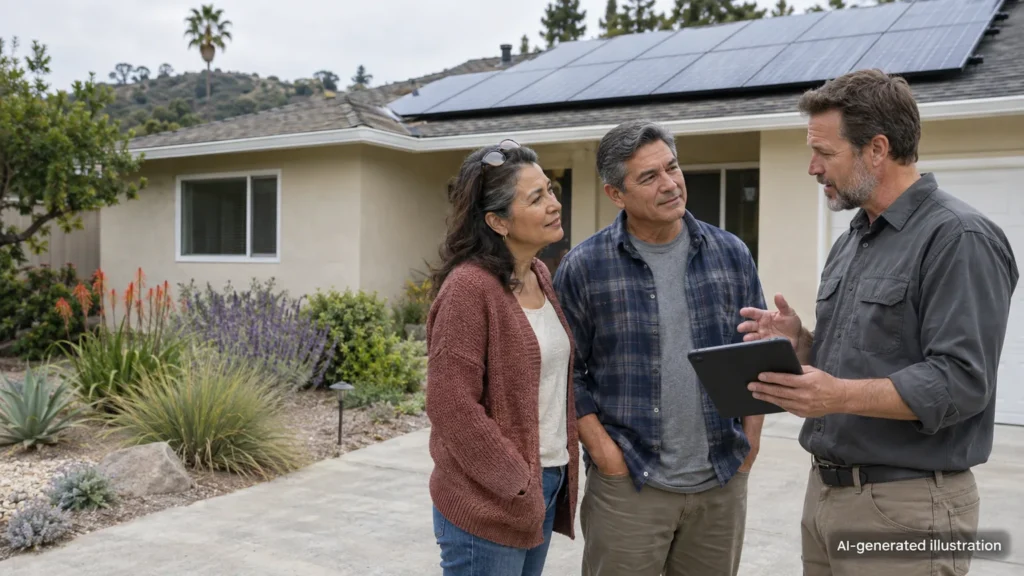
Share recent electric bills and your goals. We review the property, roof and planned electrical changes to prepare the right questions for a site visit.
Review the proposed layout, equipment, estimated output and price. If you are considering storage or financing, ask to see those costs and assumptions clearly.
We manage the design, permit steps and agreed roof or electrical work. The schedule depends on your site and the approvals it needs.
We install the system and coordinate inspections and utility steps. We explain permission to operate, monitoring access and the documents to keep for future service.
Some homes need work beyond the panels. Discuss related projects early so the design and quote account for them.
If the roof needs attention, plan it before a new panel system covers the area. Compare the roof scope and solar scope as separate parts of the project.
A new panel is not automatic with solar. We review the proposed connection and explain any upgrade the electrical assessment shows is needed.
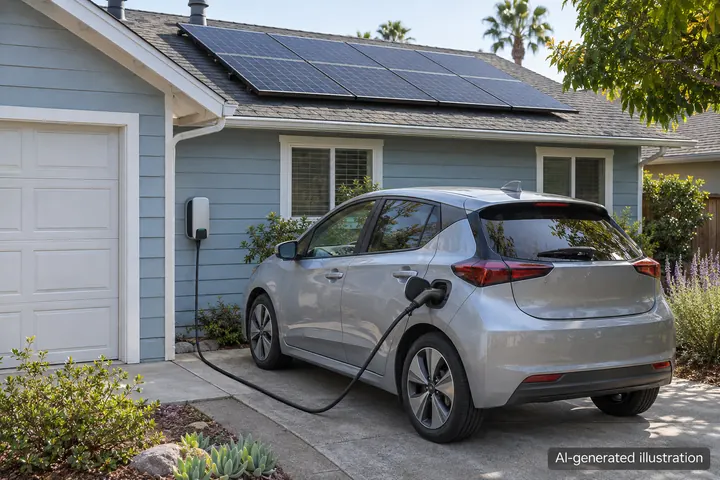
Your driving adds electricity use, but charger wiring is a separate job. Discuss charging needs while reviewing system size and future panel capacity.
Two homes can need different work even with the same panel count. Compare the full installed scope, not only a monthly payment.
Panel count, inverter choice and layout affect price. Check the parts named in each quote so you can compare similar systems.
Roof condition, height and access can change the work involved. Repairs and replacement should be shown rather than left as an unknown extra.
Panel changes, wiring, engineering and local approval requirements affect the total. Confirm which fees and utility tasks are included.
A battery adds equipment and installation costs. For financing, compare the cash price, loan terms, fees and total payments before deciding.
Comparing solar panel installation contractors? Know what you are buying and why it fits your home. GT Power focuses on your actual needs and the work required to meet them.

We consider bills, roof conditions and future loads together. We explain the reason for the panel count and any suggested storage.

GT Power is a California General B contractor and is insured. Your proposal sets out the agreed construction and solar work for your property.

Our project scope can include design, permits, installation, inspections and utility coordination. You have a team to ask about the next project milestone.

Keep your monitoring access and warranty records in order. GT Power also provides solar repair and maintenance when an existing system needs attention.
Options include Qcells panels and Enphase inverters. If you want a battery, ask about Tesla Powerwall. Your quote names the parts and their warranty terms. We check that they are available and work together.
Use these answers to prepare for your quote and compare the options.
If you don’t find the answers you’re looking for below, don’t worry, we’re always here to assist you. Please feel free to contact us at (800) 577-7124 or via our Contact Us page and we will do our best to help you most efficiently.
The cost depends on system size, equipment, roof access, electrical work and any battery. Share recent electric bills and property details with GT Power for a quote that separates the solar price from optional work.
The number depends on power use, roof space, shade and panel output. House size alone is not enough. A bill review and site check help show what size system may fit.
Sometimes. The roof needs to be suitable for the mounting system and have enough useful life for the project to make sense. If replacement is likely soon, compare doing the roof work before installation.
Do not assume it will. Fixed charges and other costs may remain. Under the Solar Billing Plan, exported electricity receives credits that vary by time. Savings depend on how much solar you use at home and your rate plan.
Yes. A grid-connected home system normally needs local permits, inspections and utility approval. Permission to operate is a separate milestone from completing the physical installation. GT Power coordinates the steps included in your scope.
Yes. EV charging can be planned alongside solar and battery storage so the added vehicle load is considered with household electricity use, solar production and backup goals. The right design depends on system size, driving habits, charging schedule and battery priorities.
The full schedule depends on design, roof or electrical work, permits, inspections and utility processing. Installation is only part of that timeline. Ask for project milestones after the site review rather than a fixed date before assessment.
Compare both against your budget and ownership goals. Review the cash price, financing fees, interest and total payments. If a power purchase agreement is available, check who owns the equipment, future rate changes and property sale terms.
The federal Residential Clean Energy Credit ended for property placed in service after December 31, 2025. Do not assume an older 30% offer applies. Ask a tax adviser about your ownership arrangement and current rules before signing.
Send your ZIP code, recent electric bills and any plans for an EV or battery. Get a proposal that explains the system, the work and the next step.